Are You Breathing Properly While You Sleep?
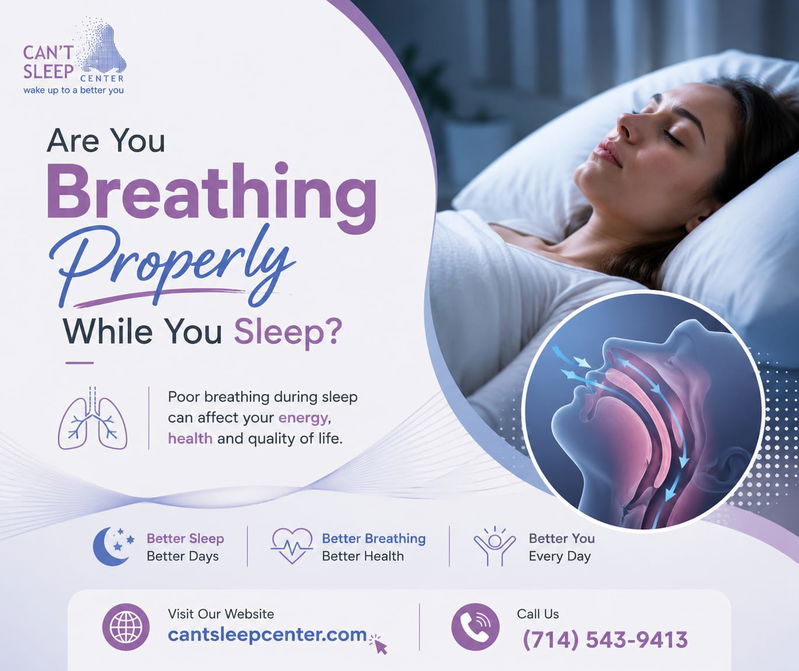

Most of us never think about breathing. It happens naturally every second of the day keeping our bodies supplied with oxygen and our organs functioning properly. But while you're asleep your breathing can change in ways you may never notice.
For some people, breathing remains steady throughout the night. For others, it may become partially blocked or stop repeatedly during sleep. These interruptions often go unnoticed because they happen while you're asleep yet they can significantly affect your overall health and well-being.
If you wake up feeling exhausted despite spending enough hours in bed your breathing while you sleep may deserve closer attention.
Why Healthy Breathing During Sleep Matters
Sleep is when your body repairs tissues, balances hormones, strengthens the immune system and allows your brain to process memories while recovering from the day.
When breathing is repeatedly interrupted, oxygen levels can drop, causing the brain to briefly wake the body to restore normal breathing. These awakenings are often so short that you won't remember them the next morning but they prevent your body from reaching the deep restorative stages of sleep.
Over time, poor breathing during sleep can affect far more than just your energy levels.
Signs You May Not Be Breathing Properly While You Sleep
Many people don't realise they have nighttime breathing problems until a partner or family member notices them.
Some common warning signs include:
Loud or chronic snoring
Gasping or choking during sleep
Pauses in breathing
Waking with a dry mouth or sore throat
Morning headaches
Feeling tired despite sleeping 7 to 8 hours
Difficulty concentrating
Excessive daytime sleepiness
Irritability or mood changes
While these symptoms don't always indicate a sleep disorder, persistent symptoms should not be ignored.
Common Causes of Breathing Problems During Sleep
Several conditions can affect normal breathing while you're asleep.
Obstructive Sleep Apnea
One of the most common causes is obstructive sleep apnea (OSA). This condition occurs when the muscles in the throat relax too much, temporarily blocking the airway. Breathing may stop for several seconds before the brain signals the body to breathe again.
These interruptions can happen dozens or even hundreds of times each night.
Chronic Snoring
Although not everyone who snores has sleep apnea, loud and persistent snoring can sometimes indicate a partially blocked airway. If snoring is accompanied by daytime fatigue or witnessed breathing pauses, it may warrant further evaluation.
Nasal or Airway Obstruction
Allergies, nasal congestion or structural airway issues can also make breathing more difficult during sleep, reducing overall sleep quality.
How Poor Breathing Affects Your Health
Many people associate poor sleep with feeling tired, but the effects can extend much further.
Untreated breathing problems during sleep have been linked with:
Reduced concentration and memory
Lower workplace productivity
Mood changes and irritability
Morning headaches
High blood pressure
Increased risk of cardiovascular problems
Reduced quality of life
Addressing the underlying cause may improve both sleep and long-term health.
Can Lifestyle Changes Help?
Healthy habits can support better sleep and healthier breathing.
Consider
Maintaining a healthy weight
Sleeping on your side if recommended
Avoiding alcohol close to bedtime
Following a consistent sleep schedule
Managing allergies or nasal congestion
Practising good sleep hygiene
These strategies may help some people but they may not resolve an underlying sleep disorder.
When Should You Consider a Sleep Evaluation?
If you regularly experience loud snoring, excessive daytime fatigue, witnessed breathing pauses or wake feeling unrefreshed, it may be time to learn more about what's happening while you sleep.
A professional sleep evaluation can help identify whether conditions such as sleep apnea, airway obstruction or other sleep related issues are affecting your breathing and overall health.
Early diagnosis often leads to more effective treatment and better long term outcomes.
Breathe Better Sleep Better Live Better
Healthy sleep begins with healthy breathing. If your breathing is disrupted night after night, your body may never get the restorative rest it needs, no matter how many hours you spend in bed.
At Can't Sleep Center, we help patients better understand their sleep through comprehensive evaluations and personalised treatment options for conditions such as sleep apnea, snoring, TMJ/TMD, and oral appliance therapy. Our goal is to help you achieve deeper, healthier sleep so you can wake up feeling refreshed and ready for the day.
If you've ever wondered whether you're breathing properly while you sleep, visit https://cantsleepcenter.com/ to learn more about common sleep disorders, available treatment options, and how improving your breathing can improve your quality of life.
Comments
No comments yet. Be the first to comment!